
Blog Archives

Why is My AC Blowing Warm Air? Causes and Solutions

By Go Green Heating & Air Staff
Updated July, 2025 | 8-Minute Read

Your air conditioning system is crucial for delivering comfort throughout your home. This is especially true during the hot summer months, but Colorado’s unpredictable climate means you might have days during the cooler months that also need AC. That’s why you need your air conditioning system to stay in tip-top shape, making maintenance and AC repair in Denver a year-round priority.

When your AC starts blowing warm air, it can be frustrating. Your comfort level was already of concern, and now you’re adding the stress of HVAC repair on top of it. There are a number of different things that can cause your air conditioner to act this way, so it’s important not to jump to the worst-case scenario right away. From minor maintenance to serious system failures, it’s critical to learn how to troubleshoot. This can help you get some solutions to get it running efficiently again right away, or help you understand that it’s time to call in the professionals. If you’re wondering, “Why is my AC blowing warm air?” or “Why is my AC not cooling?” this guide will help you find answers.

Recent Example:
In 2024, a Denver homeowner contacted us when their AC started blowing warm air during a July heatwave. After a quick inspection, our technician discovered a clogged air filter was restricting airflow, a simple fix that restored cool comfort within the hour.

Why is My AC Blowing Hot Air? What to Do

If you’ve noticed that your AC started blowing warm air, you may be asking yourself, “Why is my AC blowing hot air?” There are several reasons why this can happen, and understanding the root cause is the first step in knowing how to fix an AC blowing hot air.

Inspect Your Thermostat

The thermostat is the nerve center of your air conditioning system, so this is the first place to start looking if there is something going on with your AC. If it’s not set correctly or otherwise malfunctioning, it can lead to warmer air coming from your vents. As simple as this sounds, be sure to check whether the settings are currently set to “heat” instead of “cool.” It’s a common mistake that happens more often than you think and is a very simple fix. Also, check the batteries in the thermostat to make sure they still have juice.

There may also be malfunctioning sensors or internal wiring issues going on. If the thermostat is older or you find it’s constantly not working properly, consider upgrading it to a programmable or smart thermostat. These modern upgrades can make a world of difference in the heating and cooling of your home, not only from a convenience standpoint, but from a consistency standpoint as well. This will enable you to set the temperature of your rooms remotely, and some systems can even adjust the temperature for each room.

Check Your Filters

Another common culprit can be the air filters in your system. Air filters trap the dust, dirt, and other debris that flows through your system to make sure that you maintain good air quality throughout your home. This also plays a key role in making sure your system is performing correctly. When they become clogged, airflow gets restricted, causing the AC unit to overwork itself and blow warm air.

Numerous things can cause these filters to get clogged, but the most common one is just the simple passage of time. Your AC unit is working to keep your home comfortable, but it’s also working to make sure the air you breathe is of good quality. If you haven’t changed the filter for a while or there hasn’t been regular maintenance on the system, this can cause the filters to clog up. Operating in a dusty environment can also lead to the filters clogging more quickly. Check your filters monthly and replace them every three months or as needed, depending on the usage and the manufacturer’s recommendation. Be sure to use high-quality filters that match your system’s specifications.

Industry Tip:
According to ENERGY STAR, replacing your air filter regularly is one of the most important maintenance tasks to ensure the efficiency of your air conditioner.

Watch for Leaks & Freezing

There are a lot of components to your AC unit, and they need to be maintained. If they aren’t properly inspected or maintained, then they can break down like any machine. One of the most vital components of the cooling process is the refrigerant. If there’s a leak, the AC will not have enough refrigerant to cool the air properly. If there has been physical damage to the system or improper installation, leaks might be more likely to occur. However, even normal wear and tear can lead to refrigerant leaks. If you notice a leak, be sure to call a certified HVAC technician to locate and properly repair the leak.

The evaporator coil is another crucial component, as it absorbs the heat from the indoor air. However, if this coil becomes frozen, it won’t be able to perform its function properly, which can lead to warm air being blown into your home. This can be caused by restricted airflow from dirty filters or blocked vents, or when refrigerant levels get too low. This can also occur if you run the AC unit at a temperature that is too low for an extended period of time. To fix this, you must turn off the AC until the coils are completely thawed. Be sure to check and clean your air filter and make sure that all vents are open and unblocked. Be sure to regularly inspect your system to prevent further leaks or freezing up, and consult a technician if problems continue.

Watch for Electrical Issues

The electrical components of the air conditioning system, including the capacitors and relays, play a critical role in its operation. If any of these parts fail or aren’t working optimally, your system can malfunction and blow warm air into your home. The electrical system in your AC unit is sensitive and can stop performing as it should for a variety of reasons. Power surges and electrical failures can harm and damage your system, and so can corroded or loose wiring. These parts can also become faulty just through the simple aging process. Consider using surge protectors for your system to help prevent any electrical damage in the future.

Make sure to inspect your circuit breaker and reset it, if necessary. This is another easy fix that often gets overlooked. Do not work with electrical components on your own. Along with the electrical components, your compressor is also vital because it’s responsible for circulating refrigerant. If it fails, the entire cooling process is disrupted. This is tied to your electrical system and can also be caused by common electrical issues. It can also become faulty through simple wear and tear. Schedule an HVAC technician to diagnose and replace faulty electrical components.

Dirty Condensers & Compressor Issues

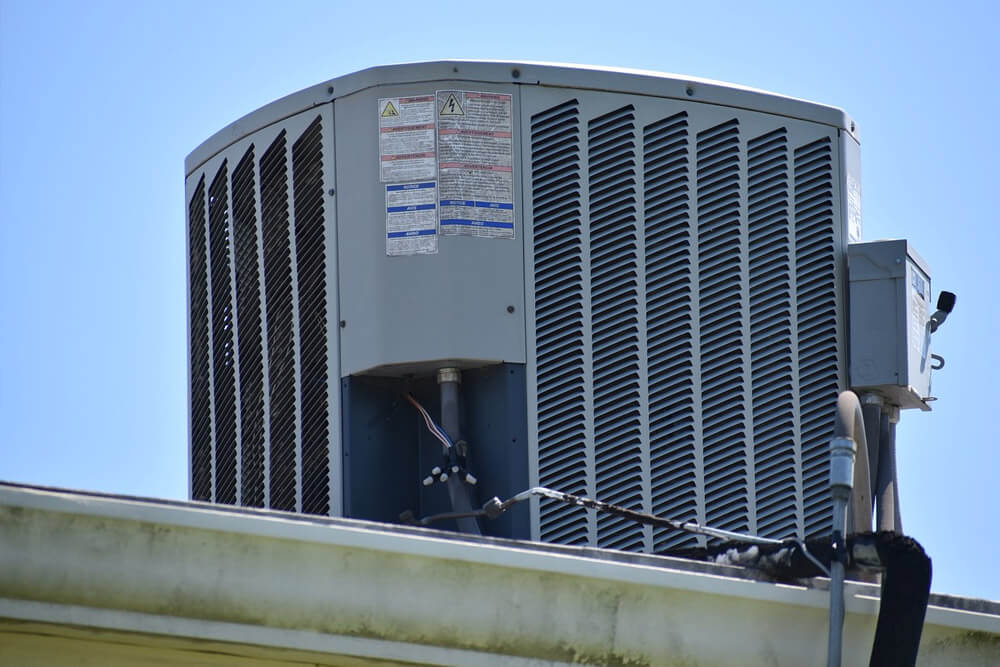
There are some components of your system that might need maintenance because of dirt and dust. Outdoors, the condenser unit is the component that releases heat absorbed from your home. If it becomes dirty or blocked, that heat won’t be expelled properly, which can cause warm air to circulate back inside the home. This blockage doesn’t have to be from dirt, as debris like grass and leaves surrounding the unit can also cause issues. Routine inspections and maintenance around the outdoor unit can go a long way in preventing this type of blockage. Simply remove any debris or vegetation around the unit to ensure proper airflow, and turn off the AC and carefully clean it.

The compressor is another component, and it’s vital to the operation of your air conditioner. The heart of your AC system, the compressor, is responsible for circulating refrigerant. If it fails, the entire cooling system could be completely disrupted. Many of these issues are caused by electrical issues or overheating, but they can also be caused by imbalances in the refrigerant and simple age-related wear and tear. Schedule a professional inspection to determine if the compressor can be repaired or if it needs to be replaced. Annual professional maintenance can help keep your condenser unit and compressor in optimal condition. This regular maintenance can also extend the life of your unit.

Ductwork & Vents

Inside the home, your ductwork is responsible for distributing cooled air. If there’s an issue where cooled air isn’t reaching certain areas of your home, or where warm air is mixing with cooled air, it could be a problem with the ductwork. These issues can arise due to leaks or holes in the ductwork, poor insulation in attics or crawl spaces, or simply blocked or dirty ducts. Inspect your ductwork for visible damages or leaks, and ensure those leaks get sealed with sealant or the proper duct tape.

Another key factor in effectively cooling your home is proper airflow. If your vents are closed or have something blocking them, that air will not circulate properly. This improper air flow may lead to warm air building up inside your home. This can be caused by the vents simply being blocked by furniture, curtains, or other objects obstructing their ability to release the air. This can also be caused by deliberately closed vents in unused rooms. This can be fixed by a simple walkthrough of your home to check and make sure all of the vents are unobstructed. Avoid closing too many vents, as it can cause a strain on the system.

Customer Testimonial:

“Go Green Heating & Air Conditioning fixed our AC quickly during a heatwave. The technician explained everything clearly and gave us tips to prevent future problems. Highly recommend!”
— Sarah T., Denver

Why Choose Go Green Heating & Air?

Your AC unit may be blowing warm air for any number of reasons. If you feel like you’ve troubleshot the issue but the problems persist, it might be time to get a professional set of eyes on it. It might be as basic as a simple thermostat issue, but it might also be time for a new system.

Fill out our contact form or call 303-731-4417 today for expert AC repair and trusted advice.

Go Green Heating & Air Conditioning – Serving Denver and surrounding communities with honesty, integrity, and expert service.

About the Author

Denver Heating & Air Conditioning has served homeowners throughout the Denver metro area with professional HVAC installation, repair, and maintenance services for over 20 years. Our team includes NATE-certified technicians who specialize in indoor comfort solutions, energy efficiency, and whole-home air quality.

Pros & Cons of Smart Thermostats and HVAC Controllers

By Go Green Heating & Air Staff
Updated August, 2025 | 6-Minute Read

Smart technology keeps making our lives easier, and now it’s helping homeowners stay more comfortable at home. More Denver-area residents are installing smart thermostats and HVAC controllers as opposed to traditional ones because they’re tired of Colorado’s unpredictable weather, forcing them to make constant manual adjustments. They also see the effects it has on their energy bills. Like any technology, smart thermostats have both benefits and drawbacks. Since every home operates differently and budgets vary widely, you need solid information before investing in one of these systems.

As HVAC contractors, we know what works, what doesn’t, and why. Let’s discuss the real advantages and potential disadvantages of smart thermostats so you can make the right decision for your home.

Pros:

1. Energy Efficiency

One of the biggest benefits of smart thermostats or smart HVAC controllers is their ability to optimize energy use. These devices allow users to set the temperature for different times throughout the day. For example, you might set the thermostat to 75 degrees while you’re at work, then have it cool down to 72 shortly before you get home. Over time, the system learns your routine and automatically fine-tunes itself, cutting back on energy use when it’s unnecessary. 

Many models also offer zone control, meaning you can fine-tune the temperature room by room. That means less energy is spent heating or cooling areas you rarely use. With the right setup, your system only works when—and where—it really needs to, helping you stay comfortable without running up your utility bill.

2. Remote Operation

Smart thermostats also allow you to control your heating and cooling remotely through a smartphone app or website interface. This allows you to get your heating and cooling on the same page as your busy schedule and adjust it on the fly. 

In cases of extreme weather conditions or other unexpected events, you can keep your home safe and comfortable, even if you aren’t present. If you’re away from home for an extended period of time, this also allows you to keep tabs on your HVAC system to ensure it’s working properly while you’re away. Curbing excessive energy consumption is much easier with the remote control, and it can be used to really focus on your schedule to optimize that important energy efficiency.

3. Programmable Schedules

While not everyone might be wild about setting up different schedules, these can be a great feature once you get them programmed to your specifications. Every family has different, busy schedules, and you can tailor your home’s comfort to your lifestyle. Lower the temperature when everyone is at work or school, and make it more comfortable when most or all of the family is at home.

It’s already been mentioned how these programmable schedules can help with energy efficiency, but they can also be detailed right down to the days of the week. Once these schedules are set, you’ll be back to the “set it and forget” mode that you were used to with more traditional thermostats. The difference is that these schedules are more detailed, allowing you to have optimal comfort without constantly tinkering with it every time someone seems chilly. Zero in on the right temps for the right times of day, and everyone in the family should feel optimal comfort without wasting any energy.

4. Data Insights

Smart thermostats will also gather and store data on your energy usage. This can help you track patterns and potentially identify ways to even further improve your energy efficiency. These will tell you when you’re using the most energy and how much is being used when nobody’s home. Understanding these patterns can help you make more informed decisions about energy-saving opportunities to take advantage of by altering your thermostat or schedules.

These data insights can also help smart thermostats identify when there might be abnormalities in your HVAC system’s performance. Many of these programs can provide alerts or notifications when something changes within the system. This can include excessive or abnormal runtime, uncommon temperature fluctuations, or even some equipment malfunctions. By identifying these problems early, the consumer might be able to address them before the issue escalates into costly repairs or system failures.

Cons:

1. Con: Higher Upfront Cost

While these systems might be able to save you some money in the long run due to the energy efficiency, one of the drawbacks is a higher upfront cost compared to more traditional thermostats. That makes this type of system an investment, and that investment will fluctuate depending on how advanced of a model you want to purchase and install in your home.

Basic models still have essential features that allow you to schedule heating and cooling based on your schedule, but some more advanced models are required if you need additional sensors, integration with your current system, or other energy-saving features like zoning. There is no denying the potential for savings on energy bills, but it may take a while to recoup the initial investment. That can be a turnoff for some people, depending on their current financial situation and budget. Check with your trusted HVAC professional to find out what system might be the best for your individual situation.

2. Complexity

There are a lot of different things smart thermostats and HVAC controllers can do, particularly through the app on the smartphone or web. However, some of these things might seem complex to some users that are more comfortable dealing with more traditional thermostats. These systems can take some getting used to, and may need more attention while you’re dialing in the system to your individual preferences.

There are a multitude of features and settings with smart thermostats, and those can get overwhelming for those who prefer simplicity. In time, the smart thermostat won’t require as much attention – when it understands and works within your desired specifications – but there can be a learning curve right after it’s installed. There are a number of benefits to the advanced features and customizable options with smart HVAC controllers, but some may find them overwhelming. There will likely be some form of technical support to help with these questions, but it can still be frustrating for those who aren’t tech-savvy.

3. Must Have Internet Connectivity

Smart thermostats feature handy mobile applications and web interfaces to allow you to set the right comfort level for any time of day. However, those features rely on being connected to the internet. Without a stable internet connection, those apps won’t function properly, and that could cause an interruption in those remote capabilities until service is restored. This might seem like a marginal inconvenience, but it’s important to recognize in case there’s a loss in service for an extended period of time.

These types of thermostats can also be integrated with other smart home devices and systems, and a lack of internet connectivity can break the communication between these devices. Most systems have protective measures in place, but because the system is connected to the internet, there is a chance of cybersecurity threats. Internet connectivity adds convenience and functionality to the whole system, but it’s important to understand that there are potential risks.

4. Compatibility

Not all HVAC systems are compatible with smart thermostats. Older systems or those with proprietary protocols may not work with certain models, requiring additional equipment or professional installation. Another example of compatibility issues might be that a smart system won’t work with a system that uses high-voltage wiring. Because of the aforementioned internet connectivity, your home Wi-Fi network must also work within the smart thermostat’s system requirements.

Over time, the software for your smart thermostat will also require upgrades. There is a chance this may change the compatibility requirements from the manufacturer. Not all manufacturers are created equal, so it’s crucial to make sure you choose a smart thermostat from a reputable source that provides regular updates and support to address these compatibility issues.

The convenience and functionality of smart thermostats are unparalleled, and the technology is improving every day. There might be a learning curve to having a smart thermostat in your home, but there are a lot of benefits once it’s running based on your conditions. For more information on smart thermostats and how they work, reach out to the experts at Go Green Heating & Air Conditioning today.

Related Questions

What is a programmable thermostat?

A programmable thermostat, or smart thermostat, allows you to set specific temperature schedules for your home’s heating and cooling system. Instead of manually adjusting the thermostat every time your routine changes, you program it to automatically raise or lower the temperature at different times of the day or week.

How does a programmable thermostat work? 

Programmable thermostats use an internal sensor to monitor the current room temperature and compare it to the programmed settings. When the temperature falls outside your preferred range at any programmed time, the thermostat signals your heating or cooling system to turn on or off to reach the targeted temperature. That automation keeps your home comfortable without constant tinkering. And by reducing unnecessary heating or cooling, it can help lower your energy bills over time.

What features should I look for in a modern programmable or smart thermostat?

In short, focus on features like customizable schedules and remote control. Just as important: make sure the thermostat is compatible with your HVAC system. You might also consider extras like learning capabilities that adjust to your routine, geofencing that uses your phone’s location to shift settings automatically, and voice assistant support. Add-ons like multi-room sensors, energy reports, and maintenance reminders can improve comfort and efficiency. And don’t overlook the basics. Easy installation and a user-friendly interface go a long way.

About the Author

Denver Heating & Air Conditioning has served homeowners throughout the Denver metro area with professional HVAC installation, repair, and maintenance services for over 20 years. Our team includes NATE-certified technicians who specialize in indoor comfort solutions, energy efficiency, and whole-home air quality.
How to Prepare Your Home Heating System for Winter

By Go Green Heating & Air Staff
Updated July, 2025 | 8-Minute Read

Colorado winters can be harsh, and a home heating system that isn’t properly maintained can leave you facing uncomfortable, and sometimes costly problems. We’ve worked with many Denver homeowners to prepare their systems for the cold months ahead, but there are also actionable steps homeowners can take to make sure their heating systems are well-prepared for the cold months ahead. 

This guide is built on that real-world experience. Below, we’ll walk through the key steps to get your heating system winter-ready, answer the most common questions, and share practical heating system maintenance tips.

Table of Contents:

  • Schedule a Professional Heating System Inspection
  • Replace or Clean Air Filters
  • Clean and Inspect Ductwork
  • Test Your Thermostat
  • Inspect and Clean the Furnace
  • Check and Seal Windows and Doors
  • Clear the Area Around Vents and Radiators
  • Common Heating System Maintenance Questions
  • Stay Warm this Winter

1. Schedule a Professional Heating System Inspection

A key step in preparing your home heating system for winter is scheduling a professional inspection. A certified HVAC technician can thoroughly examine your system to identify any potential issues that may have arisen in the summer months.

Regular heating system inspections can catch problems early, preventing costly repairs and ensuring your system operates efficiently throughout the winter.

2. Replace or Clean Air Filters

Clean air filters are vital for the efficiency and longevity of your heating system. Dirty filters restrict airflow, causing your system to work harder and potentially overheat. Depending on the type of filter your system uses, you should:

  • Replace disposable filters every 1-3 months.
  • Clean reusable filters every 1-3 months according to the manufacturer’s instructions.

Maintaining clean filters is equally important during the summer. Regularly check, clean, or replace filters to ensure your system remains in good condition year-round.

3. Clean and Inspect Ductwork

Over time, dust, debris, and even mold can accumulate in your ductwork, reducing efficiency and air quality. Before winter, it’s essential to:

  • Remove vents and vacuum inside the ducts.
  • Wipe down vent covers and registers.
  • Consider professional duct cleaning if there’s a significant buildup or mold presence.

Proper duct maintenance ensures that your heating system operates efficiently and delivers clean, warm air throughout your home when you need it most.

4. Test Your Thermostat

Your thermostat is the command center for your heating system. Ensure it’s working correctly by:

  • Turning on your heating system and setting the thermostat to a few degrees higher than room temperature.
  • Listening for the system to kick on and checking that warm air flows from the vents.
  • Replacing the thermostat batteries if necessary.

If your thermostat is outdated or malfunctioning, consider upgrading to a programmable or smart thermostat. These devices offer better control over your heating system, allowing you to set schedules and reduce energy consumption.

5. Inspect and Clean the Furnace

The furnace is the heart of your heating system. Regular maintenance can extend its life and improve efficiency. 

Key steps include:

  • Turning off the power to the furnace before performing any maintenance.
  • Cleaning around the furnace and removing any debris or obstructions.
  • Inspecting the burner flames, they should be blue. Yellow flames may indicate incomplete combustion, requiring professional attention.
  • Vacuuming around the blower and motor.
  • Checking the furnace’s belt for wear and tension, and replacing it if necessary.

6. Check and Seal Windows and Doors

Heat loss through windows and doors can significantly impact your heating system’s efficiency. 

To minimize heat loss:

  • Inspect windows and doors for gaps or cracks.
  • Apply weatherstripping or caulk to seal any leaks.
  • Consider using heavy curtains or thermal window treatments to reduce heat loss.

Sealing windows and doors helps your heating system maintain a consistent temperature, reducing the strain on the system and lowering energy bills.

7. Clear the Area Around Vents and Radiators

Ensure that furniture, curtains, and other objects do not block vents and radiators. Restricted airflow can reduce your system’s efficiency and make it harder to heat your home. Clear the area around these components to allow for proper circulation of warm air.

Common Heating System Maintenance Questions

As winter approaches, we often receive numerous inquiries about the dos and don’ts of heating system maintenance and upkeep. 

What are the different types of home heating systems?

There are several common types of home heating systems, each with distinct features, benefits, and maintenance requirements:

Central Heating Systems (Ducted Systems): These systems provide warmth to the entire home from a single, central heat source (often located in a basement or attic). Heat is distributed through a network of ducts or pipes. Common types of central heating systems include:

  • Furnaces: Use natural gas, propane, oil, or electricity to heat air, which is then distributed through ductwork and vents. Furnaces are popular for their quick heating and compatibility with central air systems.
  • Boilers: Heat water to provide either hot water or steam for heating through radiators or radiant floor systems. Boilers do not use ducts; instead, they circulate water via pumps and radiators.
  • Heat Pumps: These versatile systems provide year-round climate control and are fully reversible, offering both heating and cooling. They transfer heat from the outside air or ground into your home.

Ductless Heating Systems: Also known as ductless heat pumps or minisplit systems, these do not require ductwork. Instead, each room or zone has its own indoor unit connected to an outdoor compressor. Options include:

  • Minisplit Heat Pumps: Modern, remote-controlled units that deliver efficient heating and cooling to individual rooms.
  • Window AC with Heat: Units that provide both air conditioning and heating, installed directly in a window.
  • Portable Standing Air Conditioners with Heat: The most affordable and flexible option, these units can be moved as needed.

Direct Heating Systems: These systems heat specific areas or rooms directly, rather than the whole house. Examples include space heaters and gas fireplaces.

How do I maintain my heating system during the summer?

Maintaining your heating system during the summer is essential for its longevity and efficiency, even if you’re not using it. 

Here are some tips:

  • Protect the System: Ensure that the area around your heating system is clean and free of debris.
  • Run the System Occasionally: Turn on your heating system for a short period during the summer to ensure it’s still functioning properly.
  • Regular Heating System Inspections: Even though you’re not using your heating system, schedule regular inspections to catch any potential issues early.
  • Clean and Replace Filters: Continue to check and replace or clean filters during the summer months to prevent dust buildup.

How do I prevent rust and corrosion from affecting my heating system?

Rust and corrosion can significantly impact your heating system’s efficiency and lifespan. To prevent these issues:

  • Schedule regular maintenance to identify and address any signs of rust or corrosion early.
  • Check for any leaks in the system and address them promptly.
  • If you have an outdoor heating unit, consider covering it during the off-season to protect it from the elements.
  • In humid environments, a dehumidifier can help reduce moisture levels, preventing rust and corrosion.

Should I cover my heating vents during summer?

Covering heating vents during the summer is generally not recommended. Doing so can restrict airflow, causing your HVAC system to work harder and reducing its overall efficiency. Additionally, covered vents may trap moisture, which may cause mold growth. Since HVAC systems are designed to operate with all vents open, covering some vents can disrupt the system’s balance and pressure, negatively affecting performance. For these reasons, it’s best to keep your heating vents open, unobstructed, and clean throughout the year.

Can my heating system develop mold during the summer?

Yes, your heating system can develop mold during the summer, especially in humid conditions. 

To prevent mold growth:

  • Occasionally, run your heating system to prevent stagnant air and moisture buildup.
  • Fix any leaks in your HVAC system immediately to prevent moisture accumulation.
  • Clean and inspect your ductwork and vents regularly to prevent mold spores from settling and growing.
  • Use a dehumidifier to keep indoor humidity levels between 30 and 50%.

Mold can cause health issues and reduce your system’s efficiency, so regular maintenance and monitoring are essential.

What are the risks of not using my home heating system for an extended period?

The risks of not using your heating system for an extended period include the buildup of dust and debris, potential rust and corrosion, and the possibility of mechanical components seizing up. Additionally, mold can develop in the system if humidity levels are high. Regular maintenance and occasional use can mitigate these risks.

Here are a few maintenance tips to mitigate the risks of not using your heating system for an extended period:

  • Schedule regular professional inspections to identify and address any potential issues early.
  • Regularly clean or replace air filters to prevent dust buildup and maintain airflow.
  • Turn on your heating system periodically to keep it in good working condition.
  • Inspect for any signs of leaks and address them promptly to prevent rust and corrosion.
  • Keep humidity levels in check to prevent mold growth within the system.
  • Ensure the area around the heating unit is free of debris and obstructions.

Stay Warm this Winter

Preparing your heating system before winter hits helps prevent breakdowns and keeps energy use in check. Tasks like replacing filters, sealing air leaks, and testing your thermostat all make a difference, but having a licensed technician inspect your system is still the most reliable way to catch issues early.

Go Green Heating and Air Conditioning is built on honest service, straightforward advice, and quality work that matches Colorado’s winters. Our NATE-certified technicians are here to help you get the most out of your system. Schedule a professional inspection and maintenance service with one of our NATE-certified technicians today to make sure your Denver home heating system is ready for winter.

Go Green is a Gold Star Award Winner and maintains an A+ Rating with the Better Business Bureau of Colorado. 

About the Author

Denver Heating & Air Conditioning has served homeowners throughout the Denver metro area with professional HVAC installation, repair, and maintenance services for over 20 years. Our team includes NATE-certified technicians who specialize in indoor comfort solutions, energy efficiency, and whole-home air quality.
When Did Air Conditioning Become Common?

People have long been searching for the right comfort level in their homes. People have been trying to stay cool in their homes and places of work since before electricity was even common in every home. Many of these things are now taken for granted – until they stop working, or aren’t working properly.

These heating and air conditioning systems are found everywhere now, but that hasn’t always been the case. There are also a multitude of ways to cool or heat your home, and there are some regions that need more help achieving that desired comfort level. When living in a climate that can be as unpredictable as Colorado’s, heating and air conditioning in Denver can be crucial to maintaining that desired level of comfort.

The History of AC

Since the early 1800s, people have been attempting to cool spaces with contraptions that included huge blocks of ice. However, it wasn’t until 1902 that the first technology came about for altering indoor temperature. This was when William Carrier came up with an apparatus that utilized cooling coils to humidify or dehumidify the air through the cooling of water. Of course, this wasn’t as dialed in to specific temperatures as the current technology, but that’s where AC units got their start.

In the mid-1900s, air conditioning systems became smaller and less expensive. That meant that they were more readily available to the masses. By the 1960s, the majority of new homes in the United States were being built with central air readily installed. These are very similar to the air conditioning units we use today, and they are now found in roughly 90 percent of American homes.

What Advancements Have Been Made in AC?

One of the biggest benefits present-day air conditioners have is their lifespan. Modern technology has stretched out this lifespan to make units last two decades or longer. This relies on proper maintenance, and making sure that your unit gets regularly checked and maintained by a Denver heating and air conditioning professional is imperative.

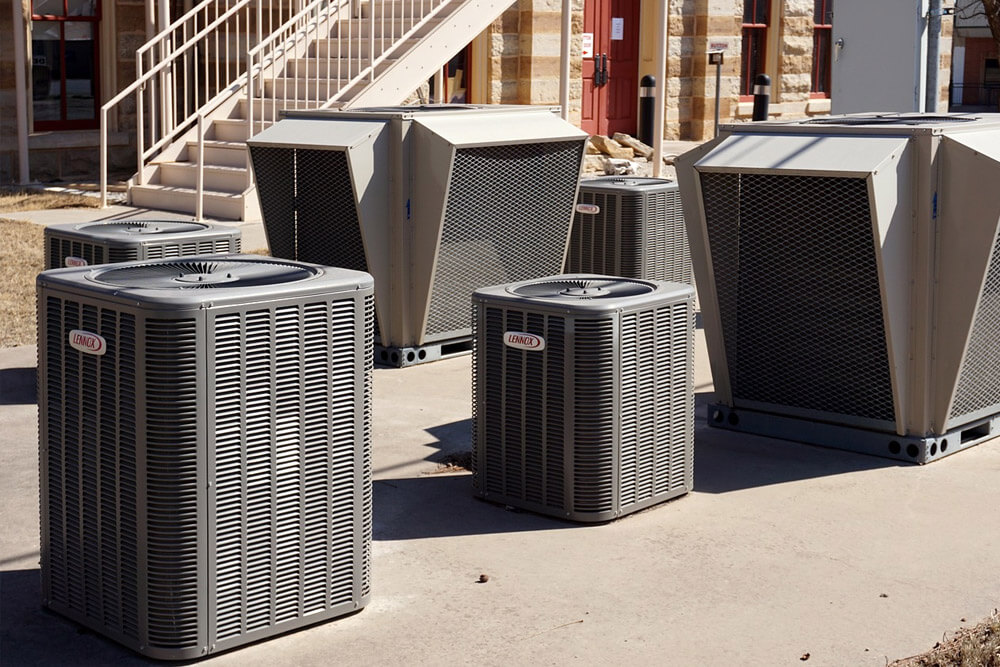
Air conditioning units also used to be heavy, bulky, and took up a lot of space. Now there are units that can be utilized to keep the correct temperature in specific spaces – like window units for apartments or single rooms. With the advent of smart technology, there are also systems that can provide different temperatures in different rooms or separate areas of the home. Most air conditioning units are great at maintaining the optimal temperature throughout the home, which was a luxury in years past.

If you notice that some rooms in your home are warmer or cooler than others, that could be an indication that things aren’t working properly. This could be caused by anything from an improperly sized unit for your space, to air filters that need to be replaced. If you notice any inconsistences, or recognize that your air conditioner might not be working properly, reach out to the trusted experts at Go Green Heating & Air Conditioning today.

How Long Does it Take to Cool a House the First Time the Air Conditioner is Started?

There are few better feelings than coming home to a comfortable house. However, the weather doesn’t always cooperate, and returning to a house that’s too hot or too cold can be stressful, annoying, and exhausting. However, flipping the switch on the air conditioner doesn’t mean your home will immediately be at the perfect temperature. It takes time to cool – particularly if the air conditioning unit was just installed.

There are a number of factors that impact the amount of time it will take to reach the optimal temperature. The size of your space, the target temperature, and even the climate of where you’re living are all things that can impact how long it takes to cool your house. In Colorado, the weather is notably fickle, and checking in with Denver air conditioning professional can go a long way in determining if your unit is cooling properly.

What Factors Impact Cooling My House?

When initially firing up a that brand new air conditioning unit, there are a few things to consider when trying to determine how long it will be to get to your desired comfort level. The size of your house plays a big role in this, as a larger home is going to take longer to cool down. Typically, an air-conditioned house that’s three or four bedrooms will generally cool about 10 degrees over three hours. A house half that size might take 90 minutes to cool at the same rate.

There are different kinds of air conditioners, and they can cool the entirety of your house at different rates. Central air units cool the entirety of the home through the ventilation ducts in your house, while individual units are commonly used to cool a particular room, or space. It’s also important to note that it will take longer to cool if you’re targeting a much lower temperature for your comfort level.

What If My House Never Gets Cool?

If your air conditioning unit is running nonstop, or if there are inconsistencies in the temperatures between the rooms in your house, it might have something to do with the size of your unit. An air conditioner that never stops running generally means it is not powerful enough to properly cool your space. This can lead to more expensive energy bills, and it can also cut short the life of the unit. Inconsistent temperatures may be an indication that your unit is also too small or underpowered. Noticing a rise in your energy bills, but temperatures remaining too high will be a clue that your unit is too small.

Cooling your home with a brand new air conditioner for the first time will require some patience. Again, it will not instantly cool, and it’s important to monitor the progress. If the unit is continually running without cooling the space, something might be amiss. For more information on the different kinds of air conditioners, or to find out which system might be right for you, reach out to the experts at Go Green Heating & Air Conditioning today.