Blog Archives

How Often to Replace an AC Filter

Written by Go Green Heating & Air Conditioning

Part of being a good homeowner is knowing how often to replace your AC filter. But how often is often enough, and when do you need to clean a filter versus replace it?

In general, you want to change or clean an AC filter every one to three months, with a number of factors determining exact timing. We’re covering what those factors are below, with a quick guide to when (and how) to change or clean an AC air filter in your home. 

Key Highlights: 

  • Standard filters should be changed or cleaned every 1-3 months.
  • Disposable filters must be replaced with new ones, while reusable filters can be cleaned and reinstalled.
  • Hot, dusty climates and high-allergen environments require monthly filter changes instead of quarterly.
  • Homes with pets need more frequent replacements, especially with heavy shedders or multiple animals.
  • Households with respiratory conditions or allergies should change filters every 1-2 months.
  • Always replace a filter immediately if it looks dirty or clogged, regardless of the schedule.
  • Regular filter maintenance improves indoor air quality, increases HVAC efficiency, and prevents system damage.

Why AC Filters Need to Be Replaced

Your air conditioner works hard to keep your home and family comfortable, and requires routine maintenance to stay efficient and functional. 

Staying on top of replacements means:

  • Better indoor air quality
  • Increased efficiency
  • Decreased risk of system damage

Regular replacements or cleanings ensure your AC filter is able to do its job. And that’s a must considering just how many types of airborne particles your filter is responsible for keeping out of the HVAC system—a list that includes dust, pet dander, mold spores, pollen, and smoke. 

Should I Change or Clean my AC Air Filter?

Replacing an air conditioner filter can mean cleaning it or swapping it out for a new one. It all depends on what type of filter you have: a disposable filter needs to be changed; a reusable filter needs to be cleaned. 

How to Change a Disposable AC Filter

  • Turn off your HVAC system
  • Remove the dirty filter
  • Place a new, clean filter into the air filter cabinet
  • Turn the HVAC system back on

How to Clean a Reusable AC Filter

  • Turn off your HVAC system
  • Remove the dirty filter
  • Rinse the filter thoroughly in warm water, gently scrubbing with a soft brush and mild soap if necessary to clean off grime
  • Shake out excess water and allow to air dry completely (you can use a fan to speed things up, but no heated tools like blow dryers)
  • Place the filter back in the air filter cabinet
  • Turn the HVAC system back on

How Often Should I Clean My AC Filters? 6 Factors That Matter

In terms of when to change an AC air filter (or clean it, if it’s reusable), the rule is once every 30 to 90 days. Learn about the factors that impact how often you do it below, and get in touch if you have a question about your specific unit. 

#1: What Type of Filter Do You Have?

Different filters have different lifespans. Most disposable and reusable filters (your standard 1-3 inch filters) will last 1-3 months, with direct recommendations provided by the manufacturer. High-efficiency filters, also known as HEPA- or HERV-rated filters, are effective at trapping small particles and allergens, and often don’t need to be replaced for six months to a year. 

#2: Where Do You Live?

Dusty, hot, and dry climates tend to necessitate more frequent replacements of your AC air filter. The same thing goes for homes located on or near sand, or those in areas that get hit hard with allergens. So if you’re located somewhere with extreme heat or lots of airborne dust and other particles, you’ll probably want to change out your filter every 1-2 months, instead of every three. 

#3: How Much Are You Running the AC?

How much of a workout your AC unit is getting every day can depend on things like the size of your home, the number of occupants in your home, if there’s smoking in the home, or other environmental factors like pollen or dust. The more you run it, the more often you’ll need to change or clean it. 

#4: Do You Have Pets?

We put up with a lot for our pets, including a huge amount of fur and dander in the air. Your AC filter keeps that away from your HVAC system, and may need more frequent replacements if it’s working extra hard to do so, such as if you have heavy shedders or multiple furry friends running around. 

#5: Any Respiratory Conditions or Allergies?

Indoor air quality can have a massive impact on health conditions like respiratory illness or allergies. Changing or cleaning your AC filter reduces this impact and helps keep everyone in your home healthy, so do it every 1-2 months if you have one or more household members with certain breathing-related conditions. 

#6: What Does It Look Like? 

Check your filter regularly. If it looks dirty or clogged, it’s time to replace it or clean it, even if it’s not technically ahead of schedule. 

Expert Help for a Comfortable Home

Regular maintenance, including AC filter replacements, is crucial for keeping comfortable and saving money. For more information on caring for your Arvada, Colorado HVAC system, reach out to the experts at Go Green Heating & Air Conditioning today!
Energy-Efficient Heating Tips to Lower Costs

Reading time: 5 minutes
Written by Go Green Heating & Air Conditioning

Keeping your home warm during Denver’s chilly winter months doesn’t have to mean sky-high energy bills. With the right strategies and habits, you can enjoy cozy comfort while cutting your heating costs. Drawing on extensive local experience and customer feedback, here’s how to reduce heating costs in winter and enact energy-efficient heating strategies. 

TL;DR: How to Lower Heating Costs in Winter

  • Seal leaks and add insulation to keep warm air inside
  • Use smart thermostats and zoning to avoid heating unused spaces
  • Upgrade older furnaces or heat pumps for better efficiency and reliability
  • Replace filters, clear vents, and schedule routine maintenance
  • Let in sunlight during the day and close curtains at night
  • Reverse ceiling fans to push warm air back down
  • Use a humidifier to make the air feel warmer and more comfortable
  • Keep vents unblocked and adjust thermostat settings with care

Winter HVAC Tips for Denver Residents

Seal Drafts and Upgrade Insulation

Up to 30% of indoor heat escapes through air leaks and inadequate insulation in Denver homes we’ve serviced. An initial investment in weatherstripping, caulking, and insulation pays off significantly in long-term savings.

Priority sealing areas:

  • Windows and door frames
  • Basement rim joists
  • Attic access points
  • Electrical outlet covers on exterior walls

Use Smart Thermostats and Zoning Systems

Smart thermostats have proven to be the unsung hero of heating cost savings in Denver residences. These intelligent devices learn your routines, automatically adjust temperatures, and offer smartphone control.

Smart thermostat savings potential:

  • 10-20% reduction in heating bills when properly programmed
  • $150-300 annual savings for average Denver homes
  • Enhanced comfort through learning algorithms
  • Remote control convenience
  • High-Efficiency Heating System Upgrades

Use Natural Sunlight to Your Advantage

Take advantage of sunny Colorado days. Open curtains on south-facing windows during daylight hours, then close them at night to trap the warmth inside.

Keep Heat Flowing Freely

Do a quick walk-through to make sure furniture, curtains, or rugs aren’t blocking vents or radiators. Clear airflow ensures your system doesn’t have to work overtime and helps rooms heat more evenly.

Inspect Your HVAC System

Your furnace is responsible for delivering heat throughout your home, and it’s important to check it out, especially if it hasn’t been used since the previous winter. It’s good practice to replace or clean your HVAC filters every month, for example. Clogged filters make your HVAC system work harder than it has to, which means it’s taking up more energy. It’s also recommended to schedule annual maintenance for your heating system to ensure it’s running properly.

You can also check to see that every room is getting the proper amount of heat, because that can indicate something might be amiss with your system. Along those same lines, closing the doors and vents in rooms that aren’t frequently used will concentrate the heat in the areas you want. You can also consider investing in energy-efficient appliances. These will save you more money long-term, especially if your current HVAC system is getting up there in age.

Stay Cozy and Save Money This Winter

Winter in Denver can be harsh, but with smart winter HVAC maintenance, sealing air leaks, system upgrades, and energy-saving habits, you can keep your home comfortable without blowing your budget. 

When it’s time for preventative maintenance or expert guidance, Go Green Heating & Air Conditioning is your trusted local partner.

5 Ways to Extend the Lifespan of Your Air Conditioner

By Go Green Heating & Air Conditioning 

Have you ever considered your air conditioner’s lifespan? If not, you probably should.

Like any other appliance in your home, your AC unit isn’t designed to last forever. Most systems will give you about 15–20 years of reliable service, but neglecting regular maintenance can lead to unexpected breakdowns and costly repairs. The good news is that with the right maintenance, it can serve you well for many years. 

At a Glance

As a trusted expert in AC Repair in Denver, we know that a few simple habits can save you from pricey breakdowns and sweaty summer afternoons:

  • Keep the unit clean and dust-free
  • Replace air filters on time
  • Maintain proper ventilation around the system
  • Schedule regular air conditioning maintenance & checkups

With these small steps, you’ll not only extend your AC’s life but also reduce the need for frequent repairs. Now, let’s dive deeper into what it takes to maximize your air conditioner’s performance.

#1 – Keep It Clean

Reliable and long lasting, your air conditioning unit serves the important role of providing your space with essential comfort during those hot summer months. A crucial aspect of ensuring your AC unit stays operational for as long as possible is regular filter replacement.

Air filters trap dust particles, pollen, and other types of airborne debris, preventing them from moving through your air conditioning system. Over time, these particles accumulate, and the filter becomes less effective, making your AC unit work harder to cool your space.

#2 – Keep It Clear

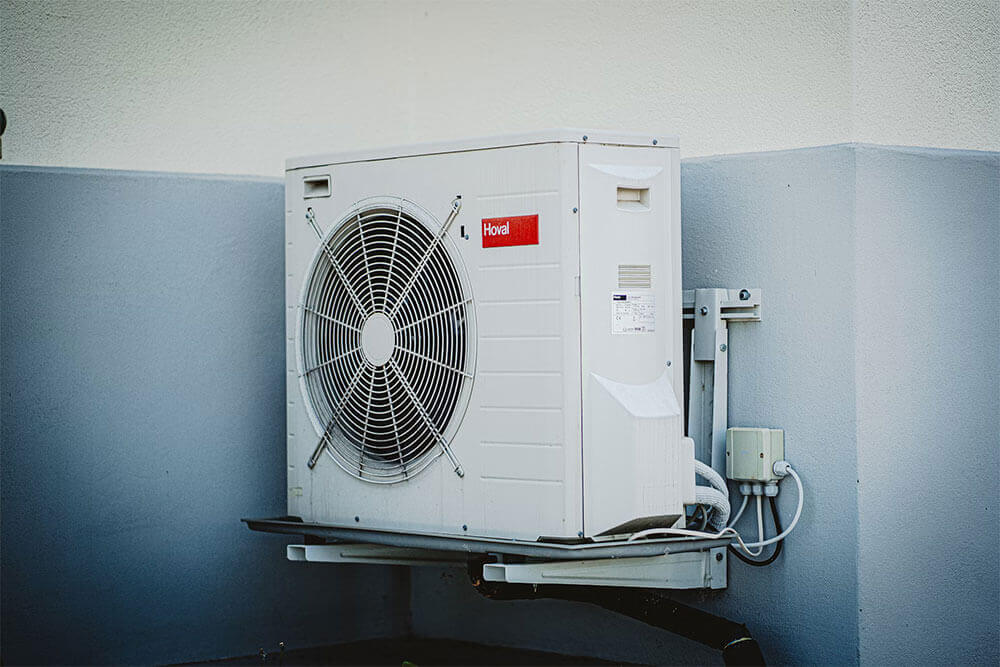
Your outdoor air conditioning unit, often located in the backyard or side of your house, requires your care and attention as well. Why? The outdoor unit houses critical components like the compressor and condenser. When obstructions are prevalent around these parts, it can restrict air flow, putting additional stress on your system, reducing its efficiency, and potentially leading to expensive repairs.

#3 – Control the Temperature

One of the most effective ways to extend the life of your air conditioning unit is to maximize efficiency with optimal thermostat settings. The truth is, overworking your unit not only increases your energy bill; it wears your AC system out prematurely.

Understanding the ‘Magic’ Number:

During the summer, the recommended thermostat setting is around 20-25 degrees below the forecasted high temperature of the day, and to prevent freezing, never less than 70 degrees on the thermostat when you’re at home. This temperature setting strikes a balance between comfort and energy efficiency, reducing the unnecessary stress on your AC system.

#4 – Seal It Up

The importance of properly sealed windows and doors can’t be overstated when it comes to enhancing the efficiency and extending the lifespan of your air conditioning unit. Seals that are in good condition serve as a barricade preventing hot air from creeping in and cold air from leaking out, ensuring your home remains cool and comfortable.

Quality seals not only strengthen your air conditioner’s performance but also conserve energy and save money. A tiny crack around a window or door can allow enough hot air in to make your AC work harder than necessary, increasing wear and tear on the unit and cutting its lifespan short.

#5 – Schedule Routine AC Unit Maintenance

Professional inspections are not something to overlook when it comes to extending the lifespan of your AC unit. Even with all your diligent maintenance, there are some aspects of air conditioning care that require a keen, professional eye. The importance of routine inspections cannot be understated. They offer a chance to prevent minor issues from escalating into major malfunctions.

FAQ: How Often Should I Service My Air Conditioner?

You should have your air conditioner professionally serviced at least once a year. Ideally, annual air conditioner maintenance should be scheduled in the spring before it starts to get cool. This tune-up session includes cleaning, inspections, checking refrigerant levels, testing electrical components, and replacing worn parts.

The Bottom Line

And there you have it! The great news is that extending the lifespan of your air conditioning unit isn’t rocket science. All you need to do is follow the practical steps we’ve outlined. Remember, just like maintaining your car helps it run better and last longer, the same principle applies to your air conditioning unit.

For all your air conditioning needs in Denver, including AC repair, fitting, and servicing, make Go Green Heating and Air Conditioning your first call.

About Go Green Heating & Air Conditioning

Go Green Heating & Air Conditioning, based out of Arvada, CO, helps customers get the most out of their AC systems with honest guidance, skilled service, and HVAC solutions prioritizing long-term performance.

Should You Put AC in Every Room of the House?

By Go Green Heating & Air Conditioning 

When you’re trying to keep your home cool, it’s tempting to think every room needs its own air conditioner. After all, comfort matters. But in many cases, installing an AC in every room just isn’t necessary, and it can quickly drive up your energy bills.

As HVAC professionals, we often encourage homeowners to think about how they actually use their home. Are there rooms you rarely spend time in? Spaces that stay naturally cooler? In those cases, running multiple AC units might be more than you need.

The best setup is the one that fits your daily routine, the layout of your home, and your budget. Before committing to more equipment than you need, here are a few things worth thinking through:

1. Home Layout

The layout of your home is one of the most important considerations as you reimagine your home’s air conditioning layout. Open floor plans with interconnected spaces, for example, may benefit more from a central air conditioning system, as cool air can circulate freely throughout the area. In contrast, homes with many separate rooms or multiple levels might require targeted cooling solutions, such as ductless mini-split units or portable ACs, to maintain comfort in individual spaces efficiently. 

Additionally, factors such as insulation quality, window placement, and room orientation affect how heat enters your home and, consequently, how much cooling is needed. Assessing these elements will help you decide whether installing AC units in every room makes sense or if alternative cooling systems will better suit your home’s design and your comfort needs.

2. Climate Considerations

If you live in a region with hot and humid weather, central home air conditioning systems or a well-placed AC unit may be essential for overall comfort. Denver air conditioning is a bit different, as Colorado’s climate can change on any given day. However, the warm summers and constant sunshine mean you might prefer an AC unit,​​ but you could also rely on alternative methods, like fans or window units, in select rooms.

3. Budget Considerations

Budget is also important, as AC units generally are not cheap. Consider your budget and installation costs, but don’t forget about ongoing energy bills. Central air conditioners for homes are often more cost-effective for cooling larger spaces, but they may require a higher upfront investment. You should also consider the energy efficiency of the units you choose. Modern systems are designed to be more energy efficient, which can really help reduce overall energy costs.

4. Usage Patterns & Zoning

Before deciding to install an AC unit in every room, assess how often different areas of your home are used. Focus on cooling the spaces where you spend the most time to maximize energy efficiency. Unused or rarely used rooms may not need dedicated cooling.

Many modern central home air conditioning systems offer zoning capabilities, allowing you to control temperatures in different parts of your home independently. This provides flexibility without the need for separate units in every room. Additionally, some homes might not have the physical space or electrical capacity to accommodate multiple AC units. Therefore, you must also consider the practicalities of installing AC in each room.

When might I need an AC in more than one room, and how many AC units would I need?

Large Homes: In homes larger than 3,000 square feet, a single AC unit may not provide even cooling throughout. Installing AC units in multiple key rooms helps maintain consistent comfort and prevents hot spots.

Multi-Story Homes: Temperature differences between floors are common. Separate AC units or zoning systems for each level allow precise temperature control and improved energy efficiency.

Rooms with High Heat Load: Certain rooms, like sunrooms, kitchens, or rooms with large windows, can heat up faster than others. Installing individual AC units in these areas provides targeted cooling to counteract higher heat loads without overworking the central system.

Home Offices or Specialty Spaces: If you spend a significant amount of time working from home or using dedicated spaces such as gyms or media rooms, separate cooling solutions can help maintain ideal temperatures without unnecessarily cooling the entire house.

The Bottom Line

There are nearly countless ways to cool your home, and understanding your budget and where you spend your time are two of the most important factors when figuring out the right method. For more information on the pros and cons of placing air conditioning in each room of your house, reach out to the experts at Go Green Heating & Cooling today.

About Go Green Heating & Air Conditioning

Go Green Heating & Air Conditioning is dedicated to helping customers make informed choices about their heating and cooling systems. Plus, they provide trustworthy, quality HVAC solutions with a strong focus on honesty and careful craftsmanship.

Why is My AC Not Cooling Even When It’s Running?

By Go Green Heating & Air Conditioning 

Updated August, 2025 | 6-Minute Read

Keeping a home at the most comfortable temperature can often be taken for granted. Everybody expects their air conditioning unit to continue working properly, and they go about their daily routines without so much as thinking about it. That is, of course, until something changes. When you notice your AC is not cooling, yet it’s still running, something is likely amiss within your system.

Whether it’s simply a minor issue or something more drastic, you want it resolved quickly. It’s important to identify what’s causing the issue, but it’s just as important to let a professional HVAC technician diagnose any complex problems that require AC repair in Denver. Regular maintenance can help prevent a lot of these issues, but there are a number of things that can impact the efficiency of your system.

Is Your Air Conditioner Not Cooling?

Is your air conditioner running but not cooling? Here are four reasons why that may be:

1. Clogged Air Filters

One of the biggest culprits for hurting the efficiency of your air conditioning system is the filter. When the air filter becomes dirty or clogged, airflow is restricted. That reduces the efficiency of the overall system. Regularly changing or cleaning the air filter is critical for optimal performance from your system. This should be the first thing you check when investigating your system’s efficiency, and inspecting this regularly will give insight into how often it should be replaced.

2. Dirty or Blocked Coils & Drains

As time passes, the coils on the evaporator and condenser units can accumulate dirt and other debris. This reduces their efficiency, meaning regular cleaning is necessary to maintain the best heat exchange. Also, if the condensate drain becomes clogged, it can lead to water buildup and impact the system’s ability to cool the air. Regular maintenance and inspections on both of these items can prevent both of these issues.

3. Electrical Problems

Faulty wiring or constantly tripping breakers can mess with the electrical system of the air conditioning unit, leading to inefficient cooling or other issues. Electrical issues at the thermostat can also cause it to malfunction, which can make the AC not cool your space adequately. During your regular inspections, the technician should be able to identify some of these problems, and electrical issues should always be addressed immediately.

4. Bad or Leaky Insulation

Poor insulation in your structure can cause the conditioned air to escape, impacting its efficiency. Leaks in the ductwork can create a similar problem. This loss of the cooled air will reduce the overall efficiency of your system. Not only does this cause issues with keeping your space at the right temperature, but it can also result in higher energy bills while your system works that much harder to cool the area.

How to Troubleshoot Your AC 

Before calling a professional, you can perform a few simple checks that might help you pinpoint the cause of your AC running but not cooling:

  • Check the Thermostat Settings: Make sure that your thermostat is set to “cool” and the temperature is set below the current room temperature. Sometimes settings change accidentally, and the unit will run without cooling effectively.
  • Inspect the Air Filter: A dirty or clogged air filter restricts airflow. Replace or clean your filter regularly to keep air flowing.
  • Examine the Outdoor Condenser Unit: Make sure the outdoor unit isn’t blocked by debris, leaves, or plants. If it is, gently clear away anything blocking it.
  • Look for Frozen Coils: If you notice ice on the indoor evaporator coil, it may indicate restricted airflow or low refrigerant levels. Turn off your unit, allow it to thaw, then call a technician for a thorough check.
  • Verify Power Supply and Breakers: Check that your AC has power and no breakers have tripped. 
  • Close Unused Vents Cautiously: Closing too many vents can increase pressure and reduce cooling efforts. Ensure vents are open where airflow is needed.

If these steps don’t resolve the issue or if you’re uncomfortable performing any of the above troubleshooting tactics, it’s best to contact an HVAC technician. 

Air Conditioner Repairs & Ongoing Maintenance Checks

Most of these issues can be fixed with repairs or prevented through regular maintenance by an HVAC contractor, while some problems may simply arise due to age and normal wear over time. Regular inspections will be less expensive in the long run, may extend the lifespan of your unit, and ultimately keep your home at the comfort level you desire. For more information on how to keep your AC running optimally and efficiently, contact the experts at Go Green Heating & Air Conditioning today online or by calling 303-731-4417.

About the Author

Denver Heating & Air Conditioning has served homeowners throughout the Denver metro area with professional HVAC installation, repair, and maintenance services for over 20 years. Our team includes NATE-certified technicians who specialize in indoor comfort solutions, energy efficiency, and whole-home air quality.