Blog Archives

What Is Central Heat and Air?

Central heating and cooling has become the standard in modern homes, but many homeowners still wonder: what is central heat and air, and why has it become so popular? Understanding how these systems work can help you make informed decisions about your home’s comfort and value.

Whether you’re dealing with scorching summer heat or freezing winter temperatures, a centralized HVAC system provides reliable temperature control throughout your entire home. Let’s explore what makes these systems essential for modern living.

How Does Central Heat and Air Work?

A central HVAC system earns its name from its centralized approach to climate control. The system uses a single unit to generate heated or cooled air, then distributes it throughout your home via a network of ducts and vents.

Here’s the basic process:

Heating Mode: Your furnace or heat pump generates warm air, which is then pushed through ductwork to every room in your home. The system pulls in cool air through return vents, heats it, and circulates it back out through supply vents.

Cooling Mode: Your air conditioning unit removes heat from indoor air, cools it, and distributes the conditioned air through the same duct system. Warm air is pulled from your home, cooled at the central unit, and recirculated.

The “central” aspect refers to the single-source distribution rather than the physical location. Your HVAC unit might be in your basement, attic, or outside your home, but it serves as the central hub feeding conditioned air to every room.

How Does Central AC Work?

Central air conditioning operates through a refrigeration cycle that removes heat and humidity from your home’s air. Here’s how the process works:

  1. Air Collection: The system draws warm air from your home through return ducts
  2. Heat Removal: Refrigerant in the evaporator coil absorbs heat from the air, cooling it down
  3. Air Distribution: Cooled air is pushed through supply ducts by a blower fan to every room
  4. Heat Expulsion: The absorbed heat is transferred outside via the condenser unit
  5. Continuous Cycle: This process repeats until your thermostat reaches the desired temperature

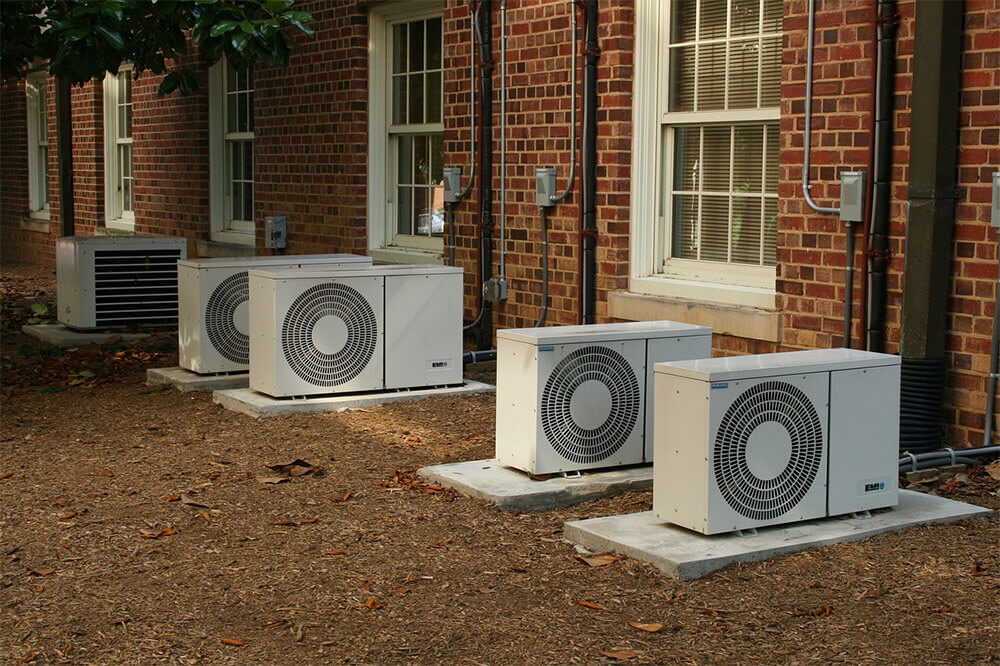
The outdoor condenser unit and indoor air handler work together seamlessly, providing whole-home cooling from a single system. This integrated approach ensures consistent temperatures throughout your living space.

Benefits of Central Air Conditioning

Central air conditioning offers numerous advantages over other cooling methods:

Whole-Home Comfort: Unlike window units or portable AC systems, central air conditioning cools your entire home evenly, eliminating hot spots and ensuring consistent temperatures in every room.

Energy Efficiency: Modern central AC systems are significantly more efficient than running multiple window units. They use less energy to cool larger spaces, potentially lowering your utility bills.

Improved Air Quality: Central systems include filtration that removes dust, pollen, and other airborne particles as air circulates through your home, improving indoor air quality for your family.

Quiet Operation: With the main components located outside or in utility areas, central AC operates much more quietly than window units, maintaining a peaceful indoor environment.

Convenience and Control: A single thermostat controls your entire home’s temperature. Many modern systems offer programmable or smart features for enhanced comfort and efficiency.

Aesthetic Appeal: Central air eliminates the need for bulky window units that block views and natural light, preserving your home’s curb appeal and interior design.

Does Central Heat and Air Increase Home Value?

Yes, installing central heat and air can significantly increase your home’s value. Central HVAC systems are considered a standard feature in modern homes, and properties without them often face challenges in the real estate market.

Market Expectations: Today’s homebuyers expect central heating and cooling. Homes lacking these systems may be viewed as outdated or requiring significant upgrades, which can reduce offers or extend time on the market.

Return on Investment: While the exact return varies by location and system quality, homeowners typically recoup 50-70% of their central HVAC installation costs when selling their home. In hot climates or competitive markets, the return can be even higher.

Competitive Advantage: In neighborhoods where central air is standard, not having it puts your home at a disadvantage. Buyers often prioritize homes with existing HVAC systems over those requiring installation.

Energy Efficiency Appeal: Modern, energy-efficient central systems are particularly attractive to environmentally conscious buyers and those looking to minimize utility costs, adding another layer of value.

Appraisal Impact: Professional home appraisers consider HVAC systems when determining property value. A well-maintained central system can positively influence your home’s appraised value.

For Arvada homeowners, where temperatures fluctuate significantly throughout the year, having reliable central heat and air isn’t just a luxury: it’s an essential feature that protects your investment.

Is Central Heat and Air Right for Your Home?

While central HVAC systems are the modern standard, determining if one is right for your home depends on several factors:

  • Home Size: Central systems excel in medium to large homes where consistent temperature control across multiple rooms is important
  • Existing Infrastructure: Homes with existing ductwork make installation more straightforward and cost-effective
  • Climate Needs: Areas with significant seasonal temperature swings, like Denver and the nearby communities, benefit most from central systems
  • Long-Term Plans: If you plan to stay in your home or sell within a few years, the investment typically pays off

The Bottom Line

Central heat and air systems have earned their place as the preferred climate control solution in modern homes. They provide reliable, efficient, and consistent comfort while improving air quality and home value.

Arvada’s variable climate, with temperatures that can swing dramatically between seasons, makes central heating and cooling particularly valuable. If you’re considering an upgrade or installation, you’re making a smart investment in your home’s comfort and long-term value.

Looking to learn more about HVAC installation or maintenance? Contact our experts at Go Green Heating & Air Conditioning today. We’ll help you find the perfect balance between outdoor weather and indoor comfort, ensuring your home stays comfortable year-round.

Call us at (303) 919-9292 for a quote today! 
How to Tell if Your AC is Broken

Written by Go Green Heating & Air Conditioning
Last updated: November 2025
Reading time: 4 minutes

Temperatures can vary in spring and fall, but it is fairly common to find yourself facing some seriously hot days during these seasons. On a hot day, nothing offers peace and comfort quite like an AC unit, but your home air conditioner is just a machine, and machines can break. In this article, we are going to take a quick look at how to tell if your AC is broken, including AC troubleshooting tactics the average homeowner can try. 

Signs Your AC Needs Repair Work

Spotting a broken air conditioning unit, or one that could use repair work, is easier than the average person might think. In fact, most people are able to know very quickly that something is going wrong with their unit. Let’s explore the more subtle and the not-so-subtle ways to spot a broken air conditioner.

Your AC is Running but Not Cooling

The easiest—and worst—way to find out that your unit is broken is when your AC is not cooling properly. The most common causes include low refrigerant, often due to leaks, dirty condenser coils on the outdoor unit, clogged air filters, blocked or closed vents, and thermostat problems, such as dead batteries or incorrect calibration. 

You may notice warm air coming from the vents even when the thermostat is set to a low temperature, or uneven cooling between rooms. If your energy bills have suddenly spiked, this can also signal that your AC is working overtime to compensate for a failing part. Running your system in this condition can cause further wear and tear, potentially damaging your compressor.

Your AC is Making Noise

Most of us get used to the sound of our air conditioners turning off and on, and that is just fine. However, if you notice that your air conditioning unit is starting to sound more like there is a ghost living in your vents, something is likely wrong. 

For instance, a rattling sound may indicate loose parts or debris inside the fan. Screeching can indicate a worn belt or motor issue, while banging might signal something more serious, such as a broken compressor. Ignoring strange noises can turn a small mechanical problem into a full system breakdown.

Your Unit is Struggling

An air conditioner can break before giving out completely, and spotting the signs early can help you avoid outages. One strong indicator is that your air conditioner unit has started to struggle while operating in any way.

Some units may take an unusually long time to boot up or cool down the home, for example, and others may begin to power cycle, turning off and on without ever reaching the correct temperature. Any signs of distress from your unit can tell you that your system is in need of repair.

Air Conditioner Troubleshooting

Some basic troubleshooting can help you rule out minor issues:

  1. Re-check thermostat model: It’s easy to accidentally set it to “fan” or “heat”  
  2. Inspect the air filter: A clogged filter can cause freezing or overheating  
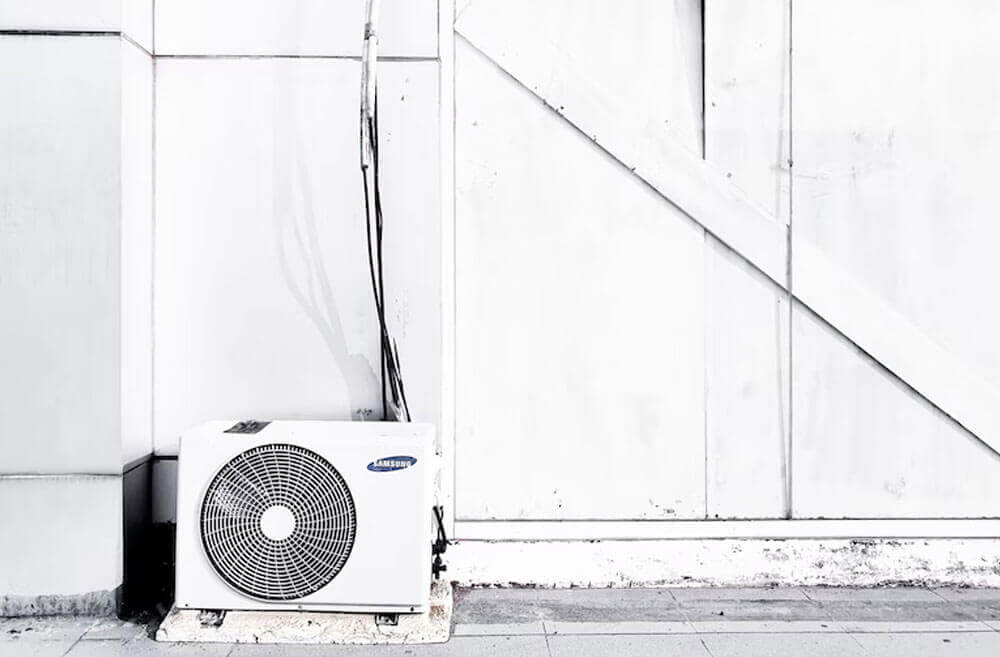
  3. Look at the outdoor condensers: Buildup of debris can block airflow  
  4. Check your circuit breaker: If the AC breaker tripped, reset it once. If it trips again, call a professional  
  5. Check for blocked vents or furniture obstructing airflow: Many people overlook this simple issue. 
  6. Inspect the drain line for clogs that might cause moisture buildup or leaks. 
  7. If your AC has a reset switch, refer to your manual to try restarting the system after power fluctuations.

However, remember that DIY repairs beyond these checks can be risky and may void your warranty. If in doubt, turn the system off and schedule a diagnostic visit.

Schedule AC Repair Today

Air conditioner repair is an essential service that keeps Colorado homes cool when they need it. At the first sign of trouble, call in your Arvada HVAC professionals to get everything back up and running. At Go Green Heating & Air Conditioning, we can address all of your AC unit’s issues and help you find solutions that fit your needs and budget. With our expertise and your AC unit, you can enjoy cool air in every room of your home.

To learn more, explore our services, or contact us today. Our experts are here to help with your heating and cooling needs!

Your Guide to Energy-Efficient Thermostat Settings

Creating a cool and comfortable home comes down to the numbers: learn how to use your system efficiently.

Utility prices are on the rise, and many of us are feeling this change in our monthly bills. With the rising rates, more people are looking for ways to use their thermostats while minimizing the use of resources. One great way to approach this is to use energy-efficient thermostat settings effectively to maximize efficiency.

In this article, we will explore the best settings for smart thermostat use!

Optimal Energy Efficiency: Choosing the Right Temperature

Energy efficiency can have a huge impact on your bills, and every system is designed to work in specific ways. To make the most of your heating and cooling system, keep these considerations in mind. With the right approach, you can make the most of your system and cut down on costs!

How Does Temperature Influence Energy Efficiency?

When it comes to heating and cooling, temperature is the primary focus. We use these systems to heat and cool our homes, but how we feel is not the only important factor to consider. The temperature you maintain in your home can determine how hard your system works and how much running that system costs you.

Factors That Influence Temperature and Energy Efficiency

It would be nice if there were one single temperature to keep your home at all year long, but several internal and external factors can influence the effectiveness of your system. These are some of the factors that can impact your energy efficiency:

  • The season or outdoor temperature
  • The type of system you use
  • The insulation of your home

Energy-Saving Temperature Settings for Your Home

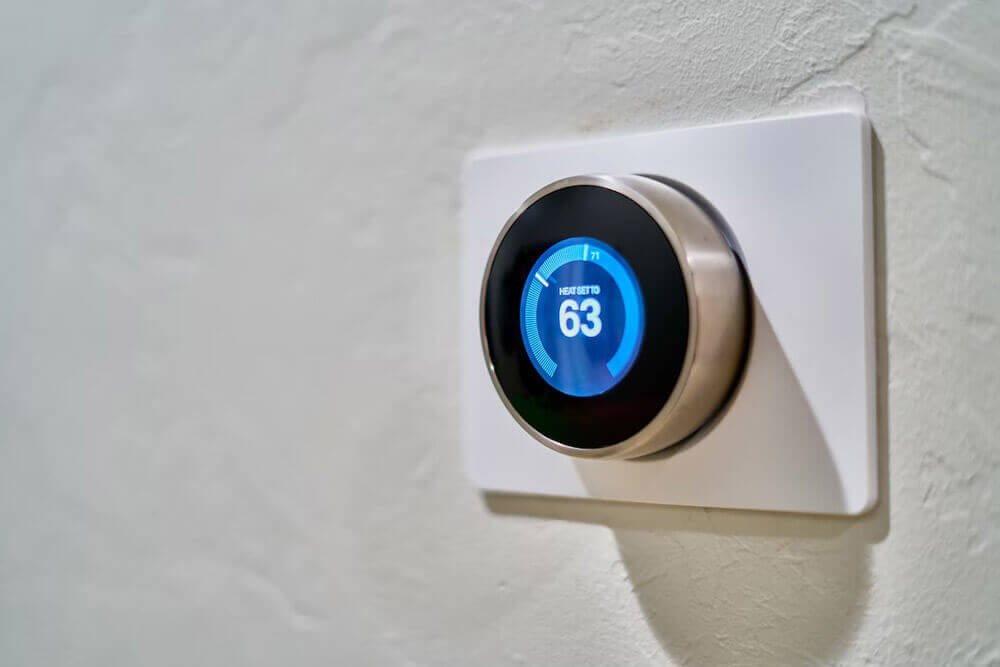
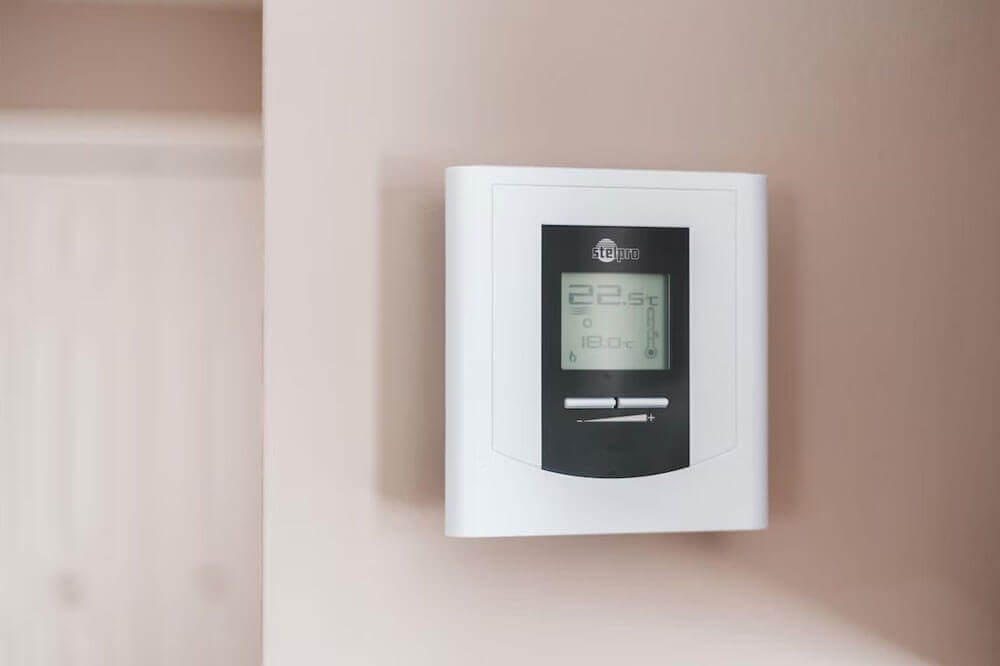
The best way to optimize your system’s efficiency is to know how to use it year-round. This generally means maintaining recommended thermostat settings that change depending on the season. In summer, it is best to maintain a higher temperature in the high seventies, with the most efficient AC temperature typically being around 78°F when you’re home. In winter, it is best to keep a cooler temperature in the high sixties.

As a general rule, it helps to adapt your temperatures seasonally and depending on who is home. When you aren’t home, it is best to let your home be warmer in summer and cooler in winter. Only using the system when you are home can have a huge and positive impact. Setting a schedule or using a smart system can make this very easy!

Tips For AC and Heater Temperatures

Here are some practical strategies for an energy-saving temperature:

  • Set your thermostat 2-5 degrees higher in summer when away from home
  • Lower your thermostat 2-5 degrees in winter when sleeping or away
  • Use ceiling fans to circulate air, allowing you to feel comfortable at higher temperatures
  • Consider a programmable or smart thermostat for automatic adjustments
  • Maintain your HVAC system with regular tune-ups for optimal performance

The Takeaway

The temperature you keep your home at can determine how hard these systems have to work. Maintaining some kind of balance with the temperature outside and avoiding overuse will put less strain on your system. Of course, choosing an energy-efficient system can also help. To learn more about how to get the most out of your Denver air conditioning and heating, contact us today!

Which Type of Heater Is Cheapest to Run?

Written by Go Green Heating & Air Conditioning
Last updated: October 2025
Reading time: 5 minutes

As winter settles over Arvada, homeowners share the same goal: cozy warmth without sky-high energy bills. Luckily, with years of local experience, Go Green Heating & Air Conditioning is here to help you compare energy-efficient heating systems and find the best fit for your home and budget.

Key Factors That Affect Heating Costs

Several factors determine how affordable (or expensive) your heat will be each month:

  • Energy source: Electricity, natural gas, and oil all come with different costs per unit.
  • System efficiency: Some systems use energy more effectively than others.
  • Home insulation and sealing: Heat loss through walls, windows, or ducts forces any system to work harder.
  • Thermostat settings and zoning: Running heat in unused spaces is a waste of energy.

Finding a Cheap Heater: What You Need to Know

Before diving deeper into specific systems, let’s consider four key factors that influence the cost of buying and running your home heater.

Energy Use

Heaters rely on energy to heat up the home, and that energy has a cost associated with it. The price of heating up a home will be directly correlated to the amount of energy that your heater uses. For this reason, choosing high-efficiency and eco-friendly heaters is an excellent way to cut down on monthly costs. Although these heaters can cost more upfront, they will run for a lower price than some of the cheaper alternatives.

Upgrades

Home heating is constantly improving, and heaters are starting to offer more and more to homeowners. The price of your heater can vary depending on the system that you use. Systems with more upgrades, like WiFi connections and touchscreens, can often come at a higher price straight out of the gate. Depending on the features you choose, the monthly operating cost may vary.

Level of Support

Some heaters cost more to operate because they offer a higher level of support or cover a more expansive space. Since these systems tend to produce more and work harder, they also cost more to operate. However, this can differ if you are not operating them in a way that necessarily uses more energy.

Choosing the Cheapest Option

In the modern world, other than individual room heaters, eco-friendly heaters will be your best price option. These versions will be able to do more with less, but prices can vary. If you can spend more in advance to save on the operating cost later, it will be best to do so.

Common Heater Types

Heat Pumps

Modern cold-climate heat pumps are designed to work well even when temperatures drop. Instead of generating heat, they transfer it, which often leads to noticeably lower utility bills. For many households, a heat pump is the cheapest heater to run, particularly when paired with strong insulation and smart controls.

Gas Furnaces

A high-efficiency gas furnace can be a smart option for Arvada’s cold climate. When natural gas prices are stable, furnaces provide consistent heat throughout larger homes without excessive monthly costs. They’re also a popular choice for homeowners who want strong performance during long winter nights.

Electric Heaters

Electric baseboard heaters and similar systems are inexpensive to install but can become expensive to operate over time. Electricity typically costs more per unit of heat than gas, which means monthly bills can rise quickly if you rely on electric resistance heating full-time. These systems work best for low cost heating needs in small rooms or as a backup.

Heater Type Key Advantages Best For
Heat Pump Highly efficient; provides heating and cooling; can reduce operating costs Most homes, especially when paired with good insulation
High-Efficiency Gas Furnace Strong performance in cold weather; steady operating costs if gas prices are favorable Larger homes, extended heating seasons
Electric Resistance / Baseboard Low upfront cost; easy installation Small spaces, supplemental or occasional use
Oil Furnace Powerful heating in very cold conditions Homes without access to natural gas

What’s the Most Cost-Efficient Heater to Run?

  • Heat pumps often deliver the lowest overall operating costs, thanks to their efficiency.
  • Gas furnaces compete closely, especially in larger homes or during extended cold periods.
  • Electric resistance heaters are typically the most expensive to operate in the long term.
  • Hybrid systems (heat pump with a gas backup) can provide flexibility and savings in Colorado’s mixed climate.

If you’d like more details on system types and cost-saving strategies, explore our article on energy-efficient heating tips for additional guidance.

FAQs

Is it ever worth using electric heaters?

Sometimes, yes. Electric heaters are handy for heating a small room, warming up a chilly basement, or using them as a backup when your main system needs a break. However, for heating the whole house, especially during long winters, they tend to incur high energy costs.

Should I upgrade insulation before changing my heating system?

Definitely, adding insulation makes a bigger difference than most people expect. A well-insulated home keeps the heat in better, so your system doesn’t have to work as hard. It might even mean you can buy a smaller (and less expensive) heater.

Contact an HVAC Professional

Every home is different, and the heater that keeps one family warm for less might not be the right fit for yours. Things like insulation, energy prices, and how you actually use your system all play a role. 

At Go Green Heating & Air Conditioning, we’ll take a look at your home, talk through your options in a way that makes sense, and help you land on the system that keeps you warm without driving up your bills. Ready to get started? Reach out here or give us a quick call to set up a consultation. 

Why Is My AC Leaking? Understanding Air Conditioning Water Issues

If you’re asking yourself “why is my AC leaking?” you’re not alone. Air conditioning leaks are a common issue that Denver homeowners face, especially as systems age and experience natural wear and tear. Understanding the causes behind these leaks can help you take swift action to protect your home and maintain your system’s efficiency.

Your air conditioning system is crucial to providing comfort for your home, but various factors can cause it to develop leaks that reduce your AC unit’s efficiency. These leaks can result in decreased cooling performance and lead to higher energy bills if left unaddressed.

The unpredictable Colorado weather means you never know when you might need to turn on the air conditioner to remain comfortable. Finding trusted AC repair in Denver will help identify these problems and uncover what types of repairs are needed. While some units may require minimal repairs, you may also need to replace parts or the entire unit in severe cases.

Common Causes of Air Conditioner Leaking Water

Your AC unit is a complex machine with multiple components that can fail over time. Understanding what causes your air conditioner leaking water can help you identify problems early and prevent costly damage.

Wear and Tear from Normal Operation

One of the most common causes of leaks is simple everyday use. Over time, the components inside your air conditioner can corrode or rust due to exposure to moisture or chemicals. This corrosion weakens the integrity of the components, creating potential leak points.

Because AC units have many moving parts, the constant vibration can cause wear and tear on connections, seals, and joints. This mechanical stress can gradually develop into leaks as components loosen or deteriorate.

Clogged Drain Lines and Drainage Issues

Clogged drain lines represent one of the most frequent causes of water leaks. Your AC unit pulls moisture from the air during the cooling process, and this water must drain away properly. When algae, debris, or mold accumulates in the drain lines, water can back up and overflow into surrounding areas.

Environmental Factors

Since outdoor AC units are exposed to the elements, they face additional challenges. Physical damage from accidental impacts, hailstorms, or severe weather can damage or dislodge components, increasing the likelihood of leaks developing.

Refrigerant System Problems

Your air conditioning system relies on refrigerant flowing through coils and lines throughout the unit. Any damage to these refrigerant components can result in leaks that not only affect your system’s performance but can also harm the environment.

Condensation and Freezing Issues

When condensation builds up on AC components, particularly the evaporator coil, repeated freezing and thawing cycles can occur. If your system experiences these temperature fluctuations regularly, it can lead to cracks and leaks in various components.

The Importance of Regular Maintenance

Air conditioners operate through complex systems, and when one component malfunctions, it can create a cascade of problems, including leaks. Regular professional maintenance is essential for identifying potential issues before they become major problems.

Annual inspections can reveal cracks, holes, or weakened seals that might lead to leaks. Professional technicians can also clean drain lines, check refrigerant levels, and ensure all connections remain secure.

Leaks can significantly impact your system’s energy efficiency, leading to inconsistent cooling and higher utility bills. When you suspect a leak, it’s crucial to address it promptly to ensure optimal operation and prevent further damage to your system.

Frequently Asked Questions

What to do if the AC is leaking?

If you discover your AC is leaking, turn off the system immediately to prevent further damage. Clear any standing water to avoid water damage to your home, then contact a professional HVAC technician for diagnosis and repair. Avoid attempting DIY repairs on refrigerant lines or electrical components.

Is an AC leaking water dangerous?

While water leaks themselves aren’t typically dangerous, they can lead to several problems, including water damage to your home, mold growth, electrical hazards if water reaches electrical components, and reduced air quality. Additionally, if the leak involves refrigerant rather than water, this can pose health and environmental risks.

What are some reasons for AC water leaks?

The most common reasons for AC water leaks include clogged drain lines, dirty air filters restricting airflow, frozen evaporator coils, damaged drain pans, improper installation, low refrigerant levels, and general wear and tear of system components. Regular maintenance can prevent many of these issues.

Expert AC Leak Repair Services in Denver

Don’t let AC leaks compromise your home’s comfort and safety. If you’re experiencing air conditioning water leaks or any other HVAC issues, the experienced technicians at Go Green Heating & Air Conditioning are ready to help. We provide prompt, professional leak diagnosis and repair services to restore your system’s efficiency and protect your home.

Contact us today for reliable leaking AC repairs and get your system back to peak performance. Our certified technicians have the expertise to identify the root cause of your AC leak and provide lasting solutions that keep your home comfortable all season long.